
Upcoming Events
Check out future presentations, workshops, boot camps, field trips and more.

The Small Scale Developer Bootcamp gives participants an opportunity to apply training to their actual development project. Participants will work through exercises like building and refining their pro forma, creating an investor proposal package, and drawing out the zoning parameters for their lot. Participants can also practice pitching their project to the group and instructors in order to get feedback in a supportive environment.
The National Virtual Small Developer Bootcamp gives participants an opportunity to apply training to their actual development project. Participants will work through exercises like building and refining their pro forma, creating an investor proposal package, and drawing out the zoning parameters for their lot. Participants can also practice pitching their project to the group and instructors in order to get feedback in a supportive environment.
The Small Scale Developer Academy gives participants an opportunity to apply training to their actual development project. Participants will work through exercises like building and refining their pro forma, creating an investor proposal package, and drawing out the zoning parameters for their lot. Participants can also practice pitching their project to the group and instructors in order to get feedback in a supportive environment.
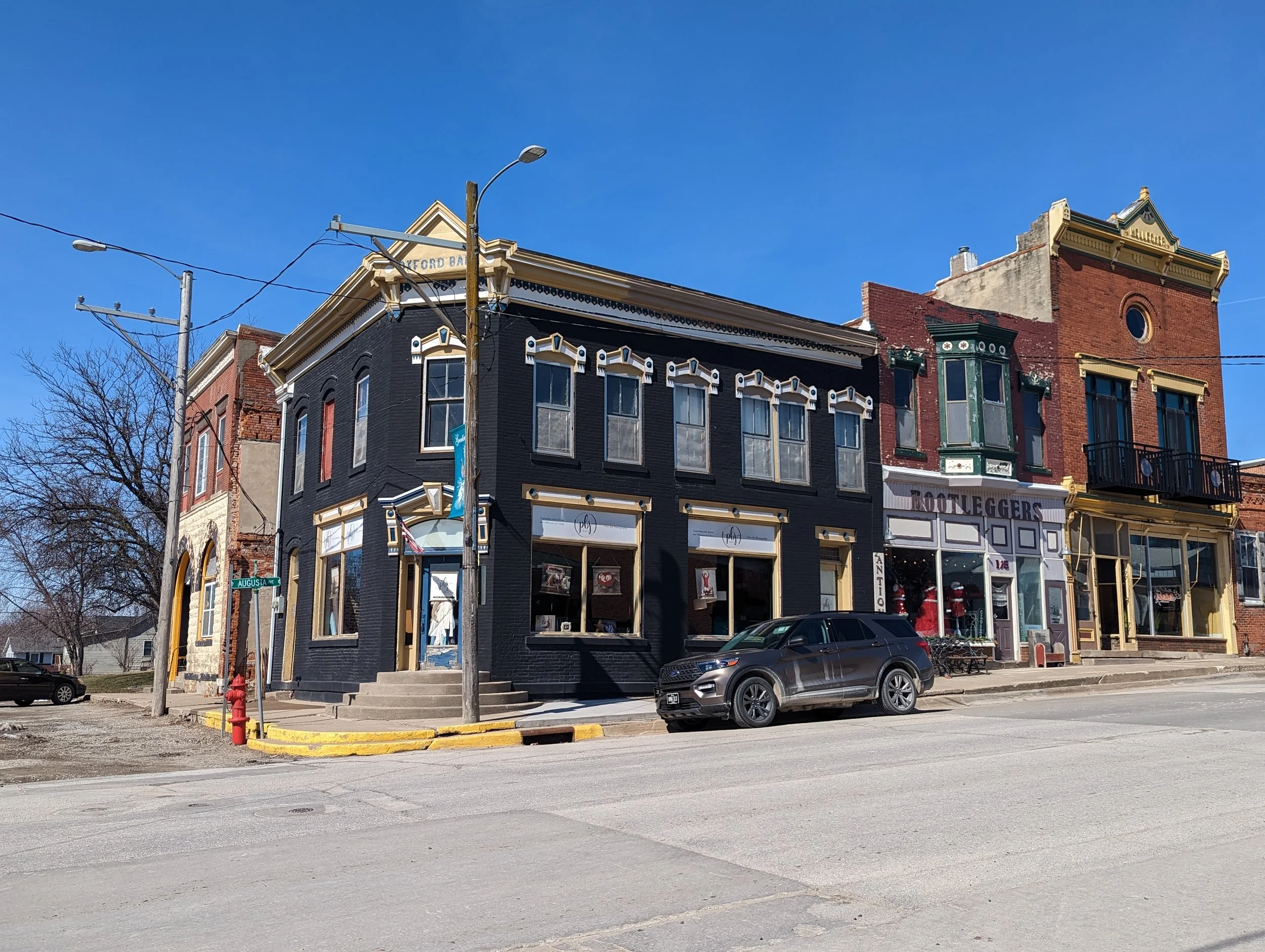
This Workshop on small scale real estate development is all about project formation. We take a big picture view of neighborhood-based development to help attendees analyze what makes a good project, how a building makes money, and how small developers interact with the broader ecosystem of professionals in the built environment.
The Bloomington, IN Small Developer Bootcamp gives participants an opportunity to apply training to their actual development project. Participants will work through exercises like building and refining their pro forma, creating an investor proposal package, and drawing out the zoning parameters for their lot. Participants can also practice pitching their project to the group and instructors in order to get feedback in a supportive environment.
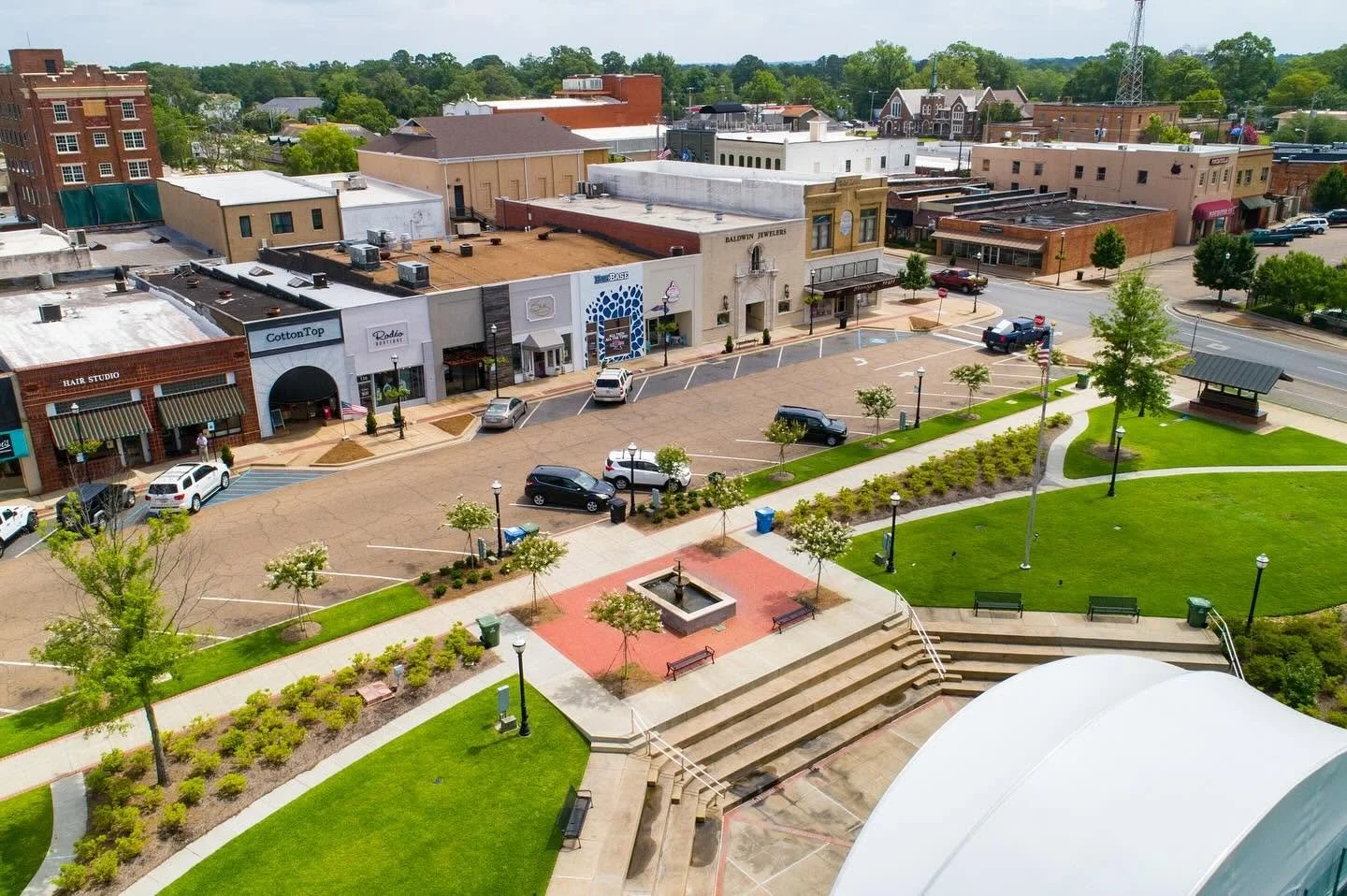
Whether you're a first-time builder, a neighborhood leader, or a city staffer looking to support local development, this training will give you the tools to take action in the North Louisiana region.
Are you a small-scale developer looking to invest further in your neighborhood? Are you an aspiring developer who wants to pursue your first project? This is a hands-on training and coaching program for people building small-scale real estate projects in New Bedford and the SouthCoast region, in partnership with the Incremental Development Alliance.
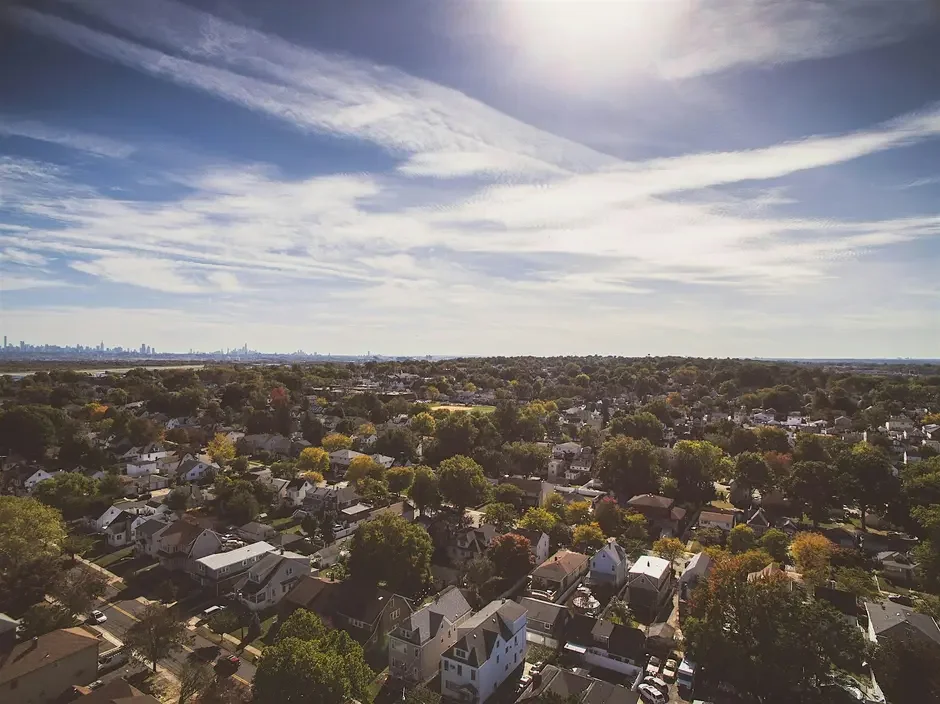
Join the Central Virginia Planning District Commission for a specialized workshop training to navigate the recent housing bills and how it affects affordable housing in our region.
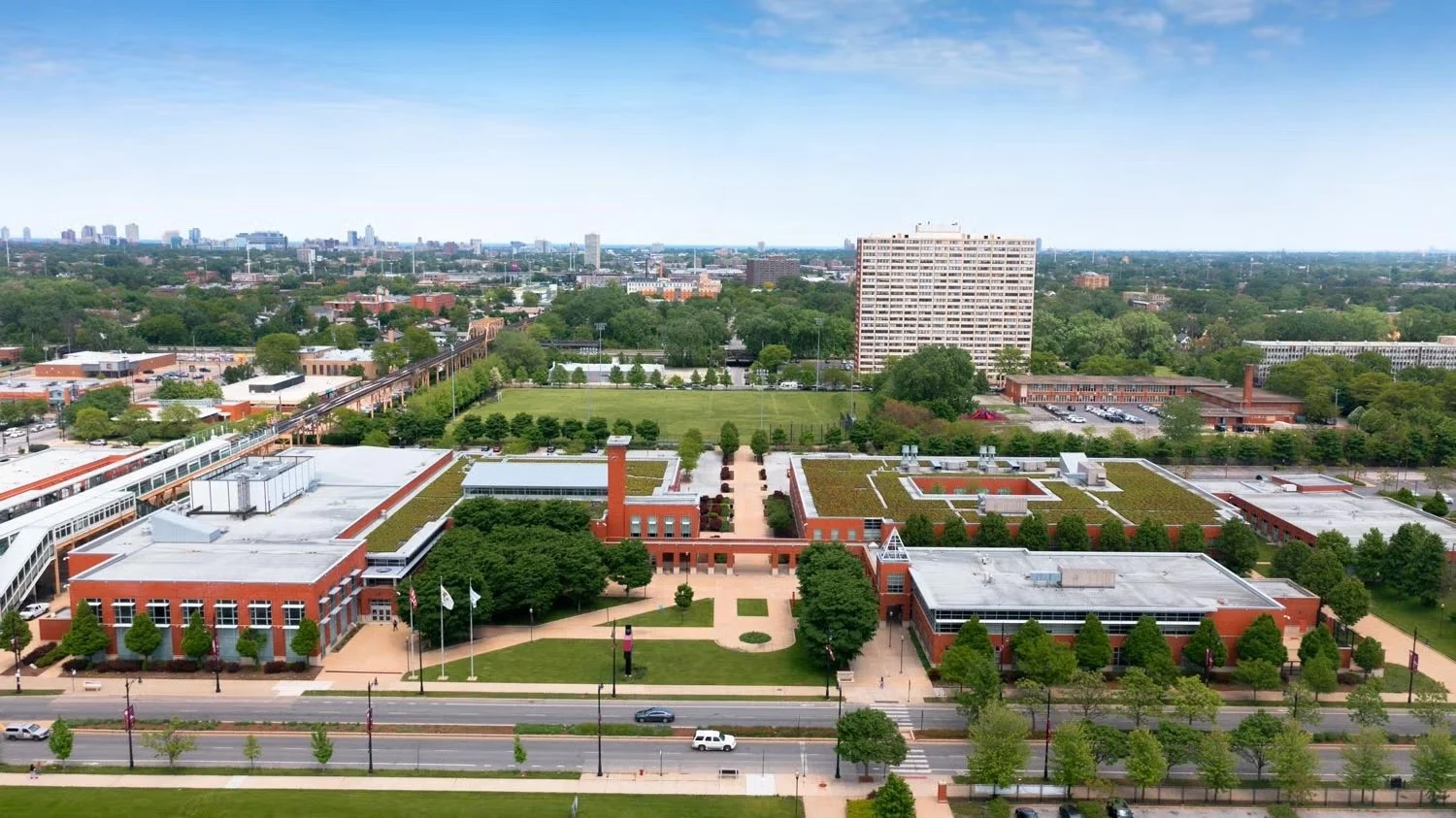
Join us for a presentation on the fundamentals of incremental development, what it is, why it matters and how it can help reshape Chicago for the better.
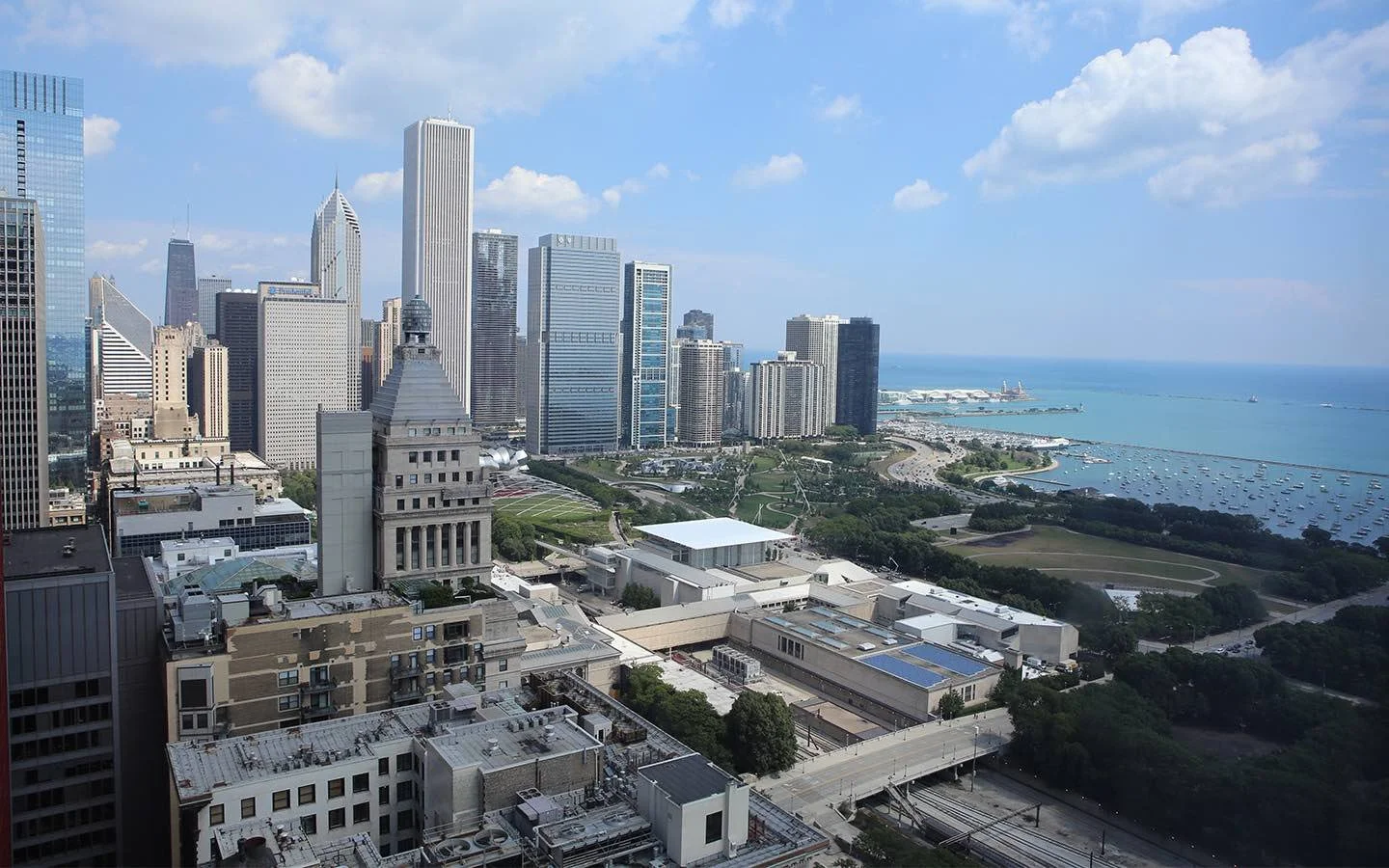
Join us for a presentation on the fundamentals of incremental development, what it is, why it matters and how it can help reshape Chicago for the better.
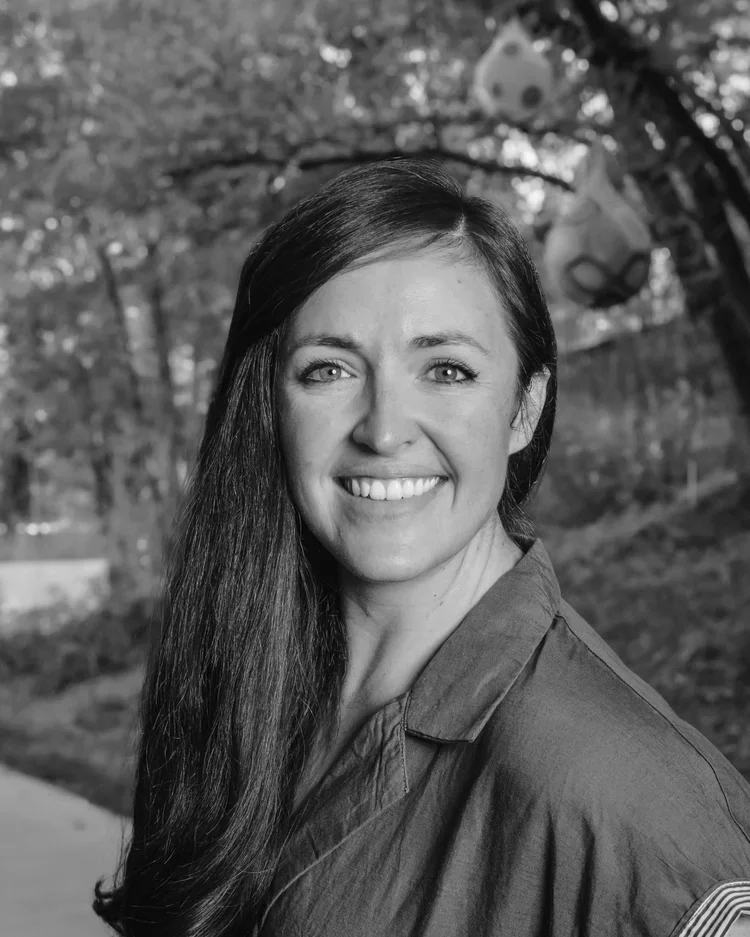
Join Executive Director of IncDev, Alli Thurmond Quinlan, for a special presentation on the fundamentals of incremental development, what it is, why it matters and how it can help your community.
The Small Scale Developer Bootcamp gives participants an opportunity to apply training to their actual development project. Participants will work through exercises like building and refining their pro forma, creating an investor proposal package, and drawing out the zoning parameters for their lot. Participants can also practice pitching their project to the group and instructors in order to get feedback in a supportive environment.
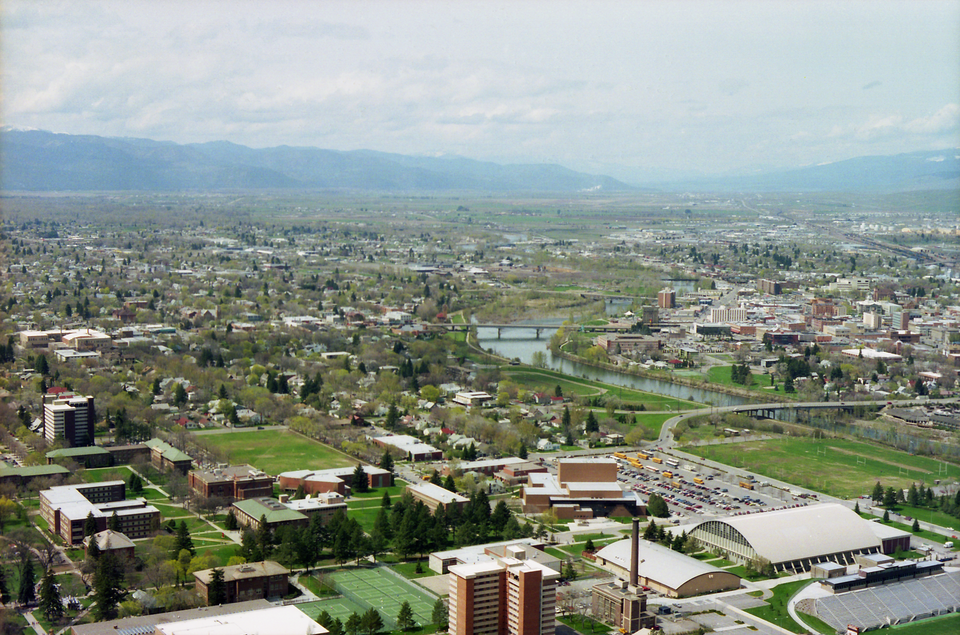
Join us for a presentation on the fundamentals of incremental development, what it is, why it matters and how it can help reshape Missoula for the better.
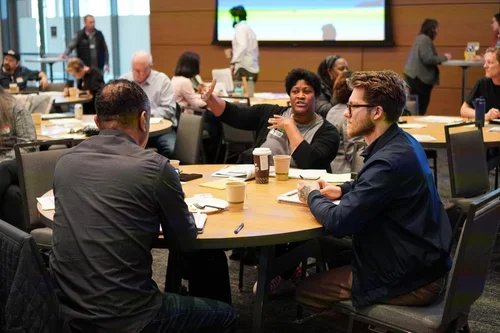
Ready to dive in and learn about the fundamentals of small-scale development? This workshop is for anyone who wants to develop small-scale, financially viable real estate projects—or support more of these sorts of projects in your community. Whether you're a first-time builder, a neighborhood leader, or a city staffer looking to strengthen local development, our training will give you the tools to take action.
Virtual Member Events
These events are free for IncDev members. Small Bites presentations are open to the public for a small cost.

You're not in building and development to deal with HOAs. But with small scale residential development, it's likely to be a legally required and critical part of organizing, selling, and getting out of your project.
HOA obligations are a small piece that can cause big headaches for developers. The Developer Services team at MicroHOA will guide you through what you need to know about your obligations to form, manage, and transition an HOA to homeowners.
Office Hours is a biweekly learning session where Incremental Development Alliance members can bring their questions about the development process, and get those questions answered by our experienced faculty. Each session features a different faculty member with a specific focus and area of expertise.
Office Hours is a biweekly learning session where Incremental Development Alliance members can bring their questions about the development process, and get those questions answered by our experienced faculty. Each session features a different faculty member with a specific focus and area of expertise.
Office Hours is a biweekly learning session where Incremental Development Alliance members can bring their questions about the development process, and get those questions answered by our experienced faculty. Each session features a different faculty member with a specific focus and area of expertise.
Office Hours is a biweekly learning session where Incremental Development Alliance members can bring their questions about the development process, and get those questions answered by our experienced faculty. Each session features a different faculty member with a specific focus and area of expertise.
Office Hours is a biweekly learning session where Incremental Development Alliance members can bring their questions about the development process, and get those questions answered by our experienced faculty. Each session features a different faculty member with a specific focus and area of expertise.
Join Executive Director of IncDev, Alli Thurmond Quinlan, for a special presentation on the fundamentals of incremental development, what it is, why it matters and how it can help your community.
Office Hours is a biweekly learning session where Incremental Development Alliance members can bring their questions about the development process, and get those questions answered by our experienced faculty. Each session features a different faculty member with a specific focus and area of expertise.
Past Events
See where we’ve been speaking and training over the last year
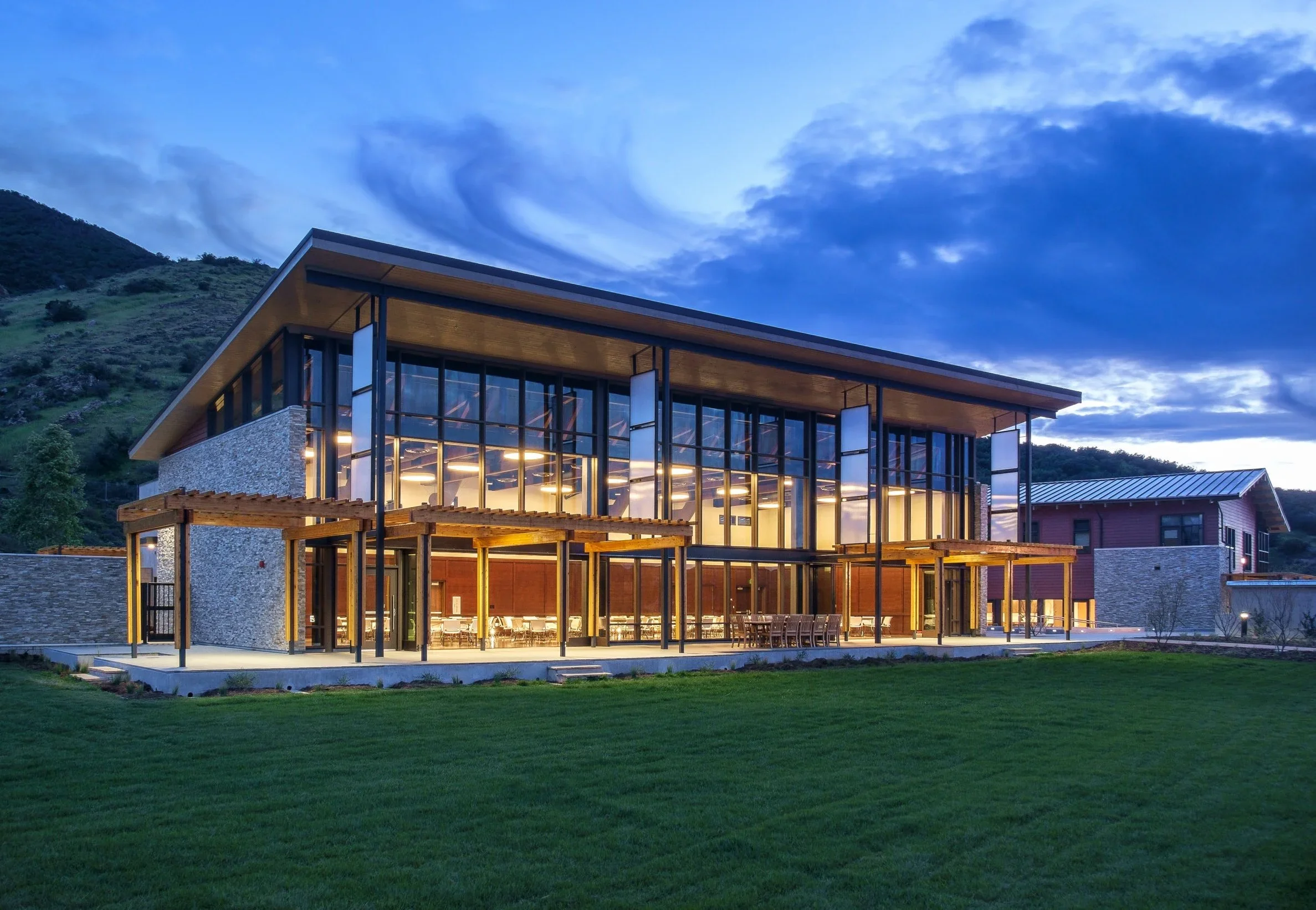
Join Many Mansions for a community social hour at the beautiful Agoura Hills Recreation Center as we bring together local leaders and experts to explore what affordable housing and economic development can look like in the Conejo Valley.
Join developer and faculty member Tiffany Elder for a presentation on the fundamentals of incremental development, what it is, why it matters and how it can help North Louisiana.
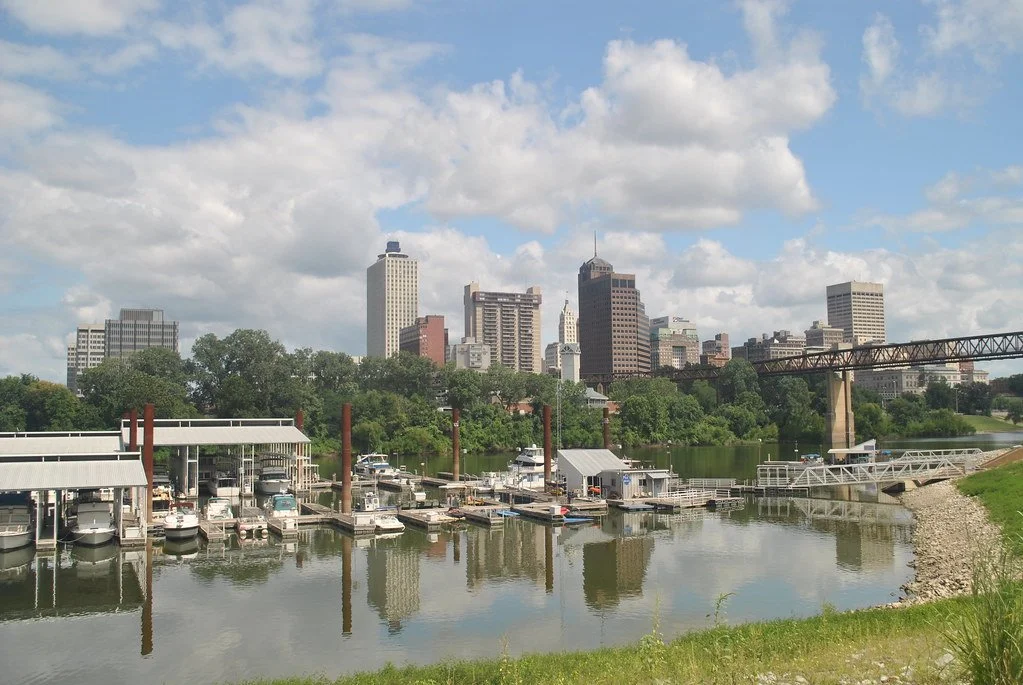
Join developer and faculty member Joel Dixon for a presentation on the fundamentals of incremental development, what it is, why it matters and how it can help (and is already helping) reshape Memphis for the better. The talk will conclude with a lively Q&A and conversation with local Memphis developers and leaders.
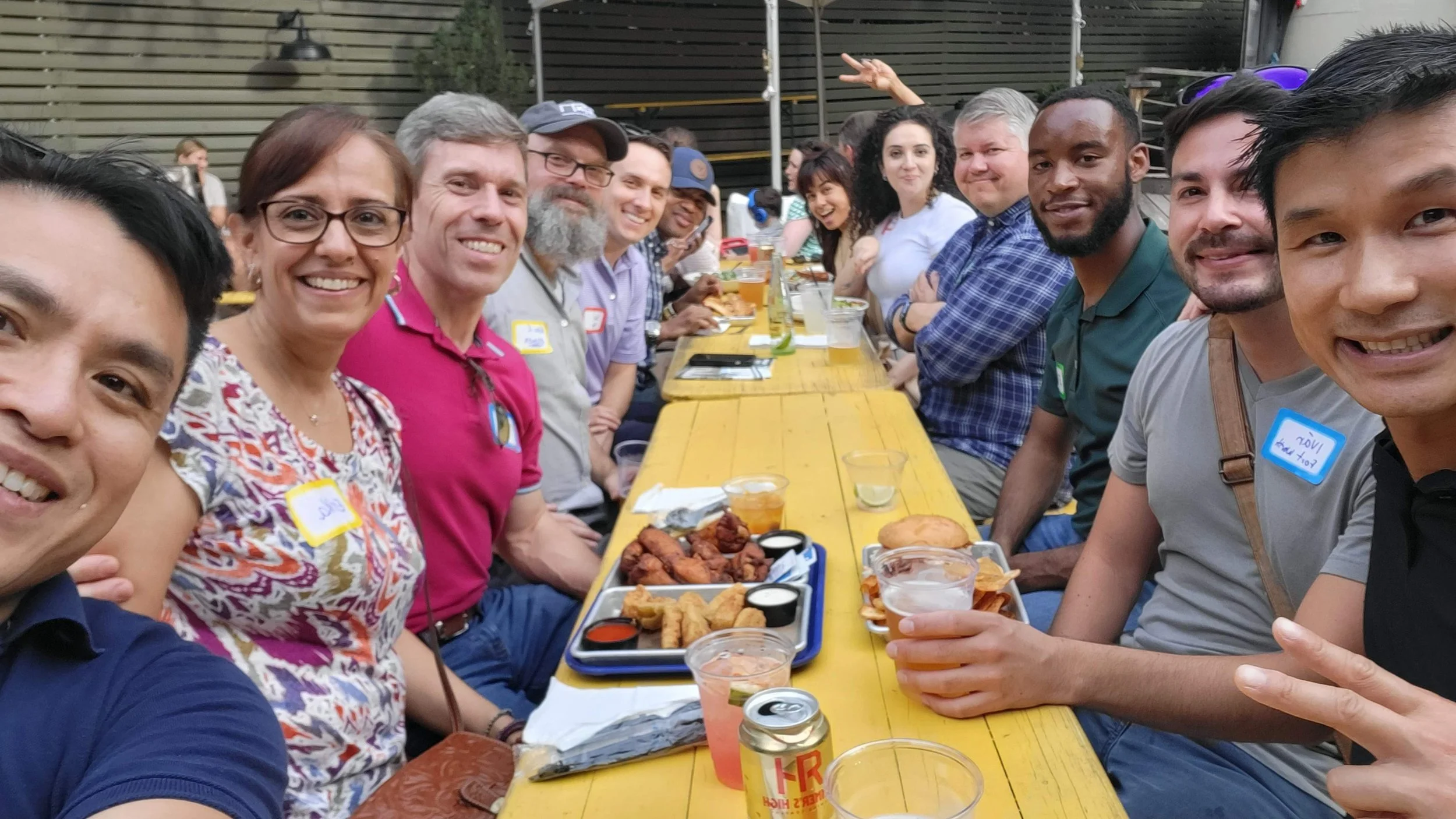
Join Incremental Development Alliance for our Fall 2026 National Field Trip to Memphis, TN! IncDev Members will have an opportunity to tour local projects, get to know IncDev Faculty, alumni, and supporters of the organization, including time to connect with others within your ecosystem.
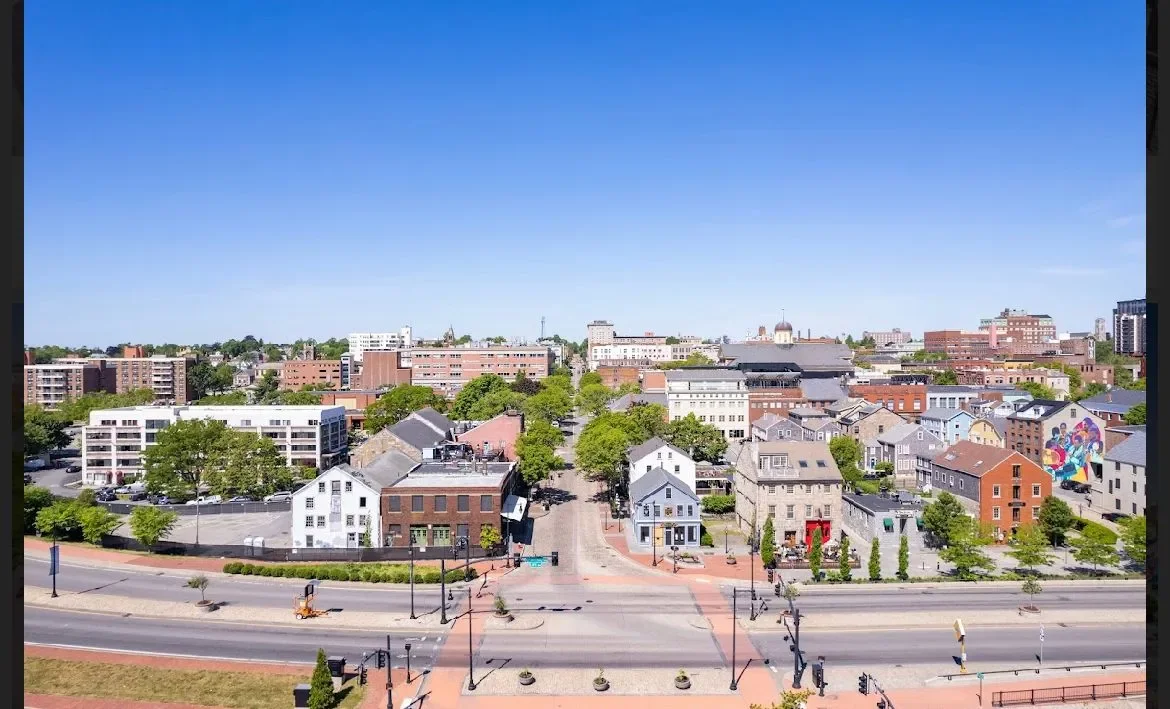
Join us for a presentation on the fundamentals of incremental development, what it is, why it matters and how it can help reshape New Bedford for the better.

This Workshop on small scale real estate development is all about project formation. We take a big picture view of neighborhood-based development to help attendees analyze what makes a good project, how a building makes money, and how small developers interact with the broader ecosystem of professionals in the built environment.
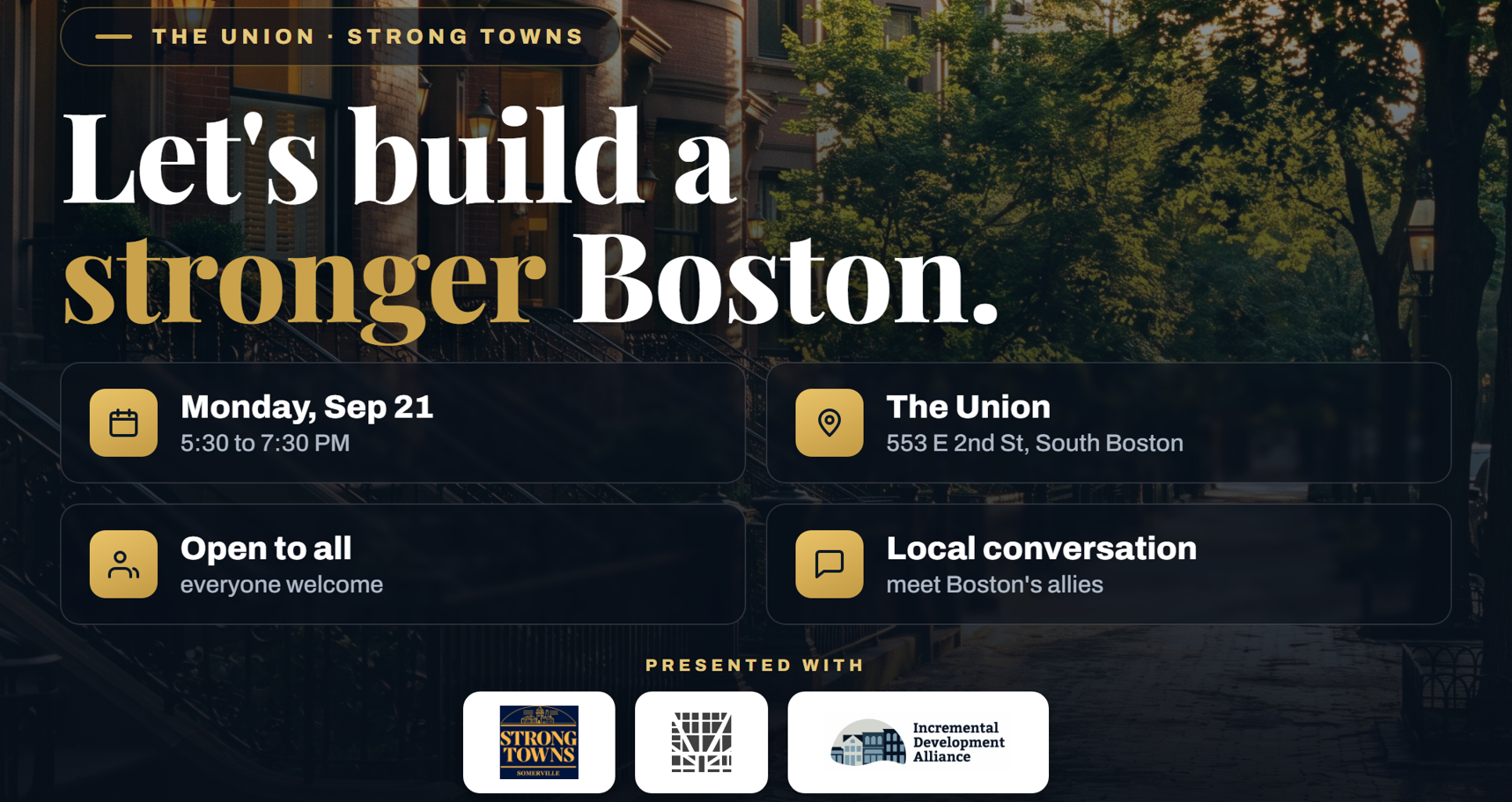
IndDev is joining in with our allies at Strong Towns Somerville and allies in Boston for this casual meetup. Whether you are new to the movement or a seasoned Strong Town citizen, join us for an open minded chat about how to make Greater Boston better for everyone. No knowledge of urbanism is required, this event is for all ages, knowledge levels, and interests.
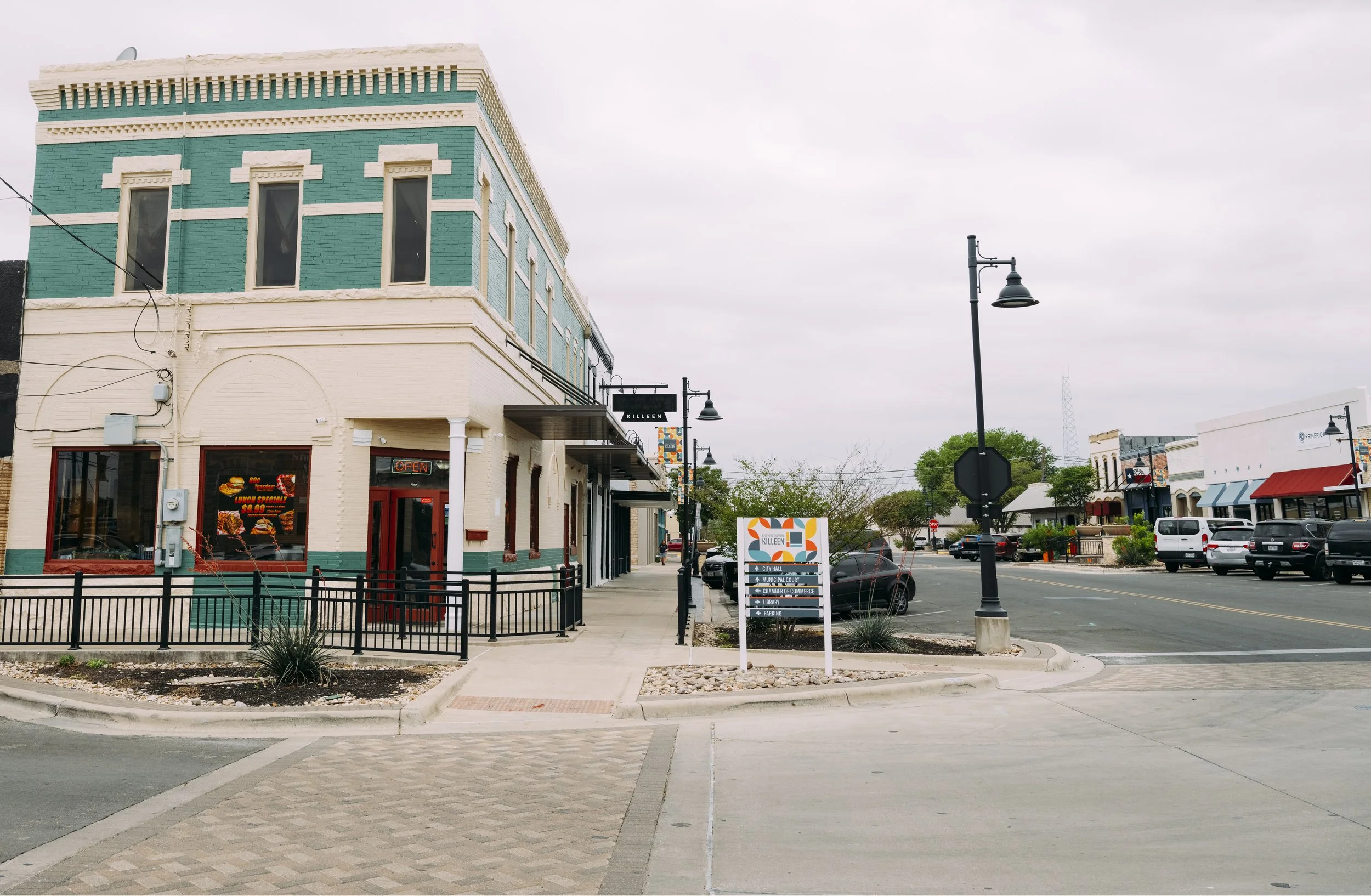
Join us for a presentation on the fundamentals of incremental development, what it is, why it matters and how it can help reshape Killeen for the better.
New and aspiring small developers won’t want to miss this monthly meetup with IncDev Faculty Members and local experts to dig into topics that will help you get your project off the ground.
New and aspiring small developers won’t want to miss this monthly meetup with IncDev Faculty Members and local experts to dig into topics that will help you get your project off the ground.

This Workshop on small scale real estate development is all about project formation. We take a big picture view of neighborhood-based development to help attendees analyze what makes a good project, how a building makes money, and how small developers interact with the broader ecosystem of professionals in the built environment.
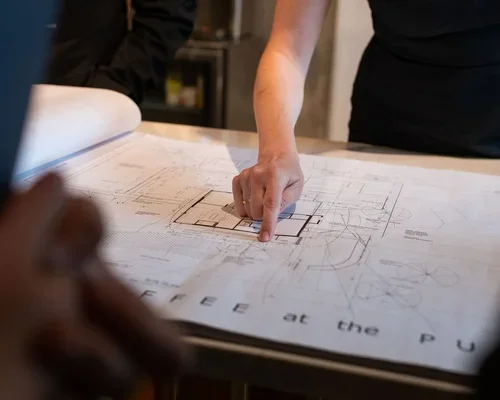
The Small Scale Developer Academy gives participants an opportunity to apply training to their actual development project. Participants will work through exercises like building and refining their pro forma, creating an investor proposal package, and drawing out the zoning parameters for their lot. Participants can also practice pitching their project to the group and instructors in order to get feedback in a supportive environment.
New and aspiring small developers won’t want to miss this monthly meetup with IncDev Faculty Members and local experts to dig into topics that will help you get your project off the ground.

This Workshop on small scale real estate development is all about project formation. We take a big picture view of neighborhood-based development to help attendees analyze what makes a good project, how a building makes money, and how small developers interact with the broader ecosystem of professionals in the built environment.
This Workshop on small scale real estate development is all about project formation. We take a big picture view of neighborhood-based development to help attendees analyze what makes a good project, how a building makes money, and how small developers interact with the broader ecosystem of professionals in the built environment.
New and aspiring small developers won’t want to miss this monthly meetup with IncDev Faculty Members and local experts to dig into topics that will help you get your project off the ground.
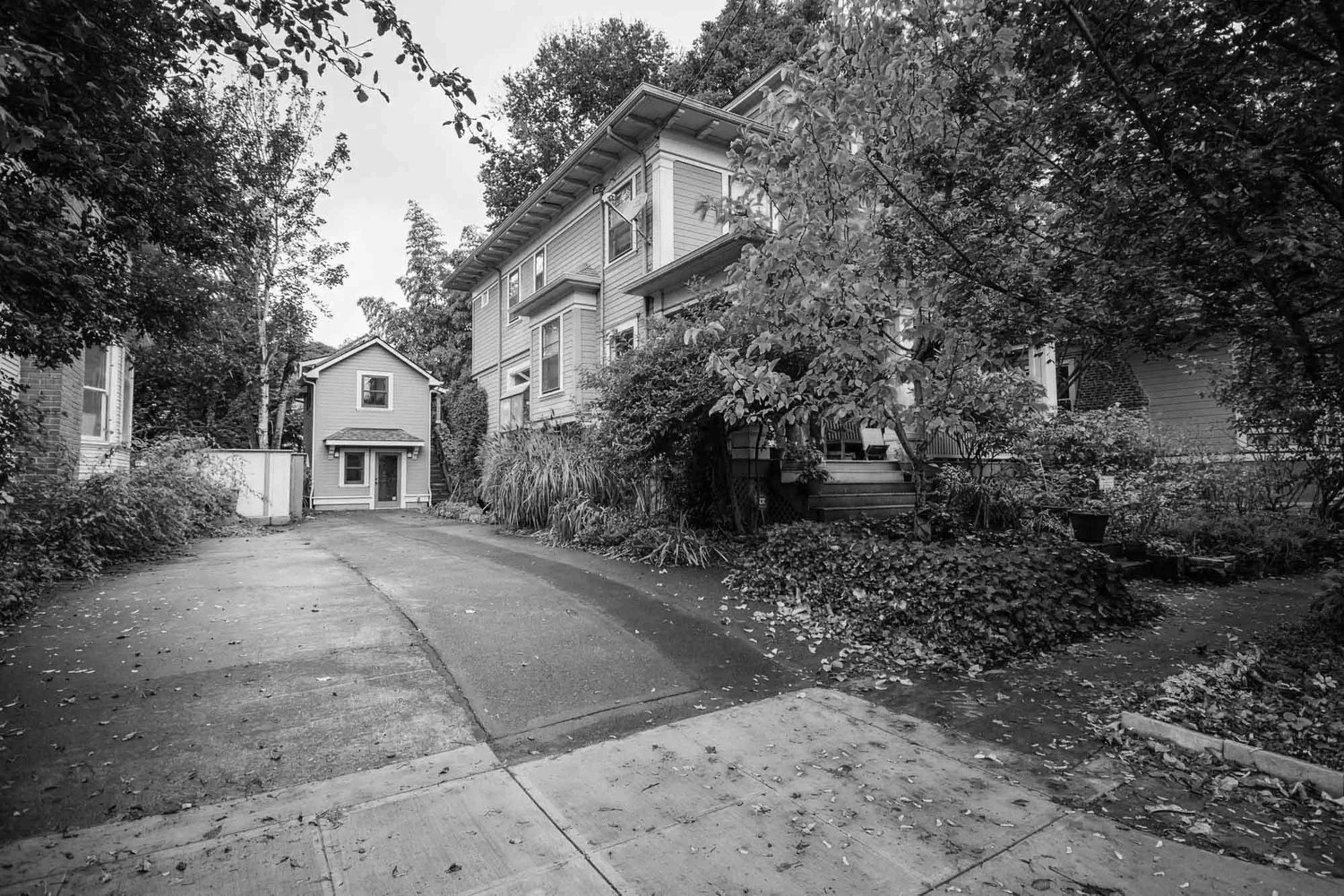
Explore Denver's ADU story on foot in the historic Baker neighborhood. Join guide Ozi Friedrich, Architect-Principal of Radix Design, for a walking tour of a variety of accessory dwelling units — from alley cottages rooted in the neighborhood's boarding house era to modern builds made possible after Denver re-legalized ADUs in 2016. Meet the locals behind some of the builds, peek inside, and end at a local brewery

Are you an advocate or local leader looking to encourage better buildings in your community? Do you want to learn more about how you can become a small real estate developer for a project in your neighborhood - or even your backyard?
Join us for a free lecture by IncDev Faculty Member Ivy Vann to learn how locals are participating in shaping their neighborhoods and how you can too.
This specialized workshop is designed specifically for municipal officials, planning departments, zoning officials, utility directors, and economic development staff to understand how local policies and practices impact housing development. The workshops will provide a practical, solutions-oriented approach to identifying and removing barriers to housing development in rural communities.
This specialized workshop is designed specifically for municipal officials, planning departments, zoning officials, utility directors, and economic development staff to understand how local policies and practices impact housing development. The workshops will provide a practical, solutions-oriented approach to identifying and removing barriers to housing development in rural communities.

IndDev is joining in with our allies at Strong Towns San Diego for this casual meetup. Whether you are new to the movement or a seasoned Strong Town citizen, join us for an open minded chat about how to make our home better for everyone. No knowledge of urbanism is required, this event is for all ages (recommended 21+), knowledge levels, and interests.
The Small Scale Developer Academy gives participants an opportunity to apply training to their actual development project. Participants will work through exercises like building and refining their pro forma, creating an investor proposal package, and drawing out the zoning parameters for their lot. Participants can also practice pitching their project to the group and instructors in order to get feedback in a supportive environment.
New and aspiring small developers won’t want to miss this monthly meetup with IncDev Faculty Members and local experts to dig into topics that will help you get your project off the ground.
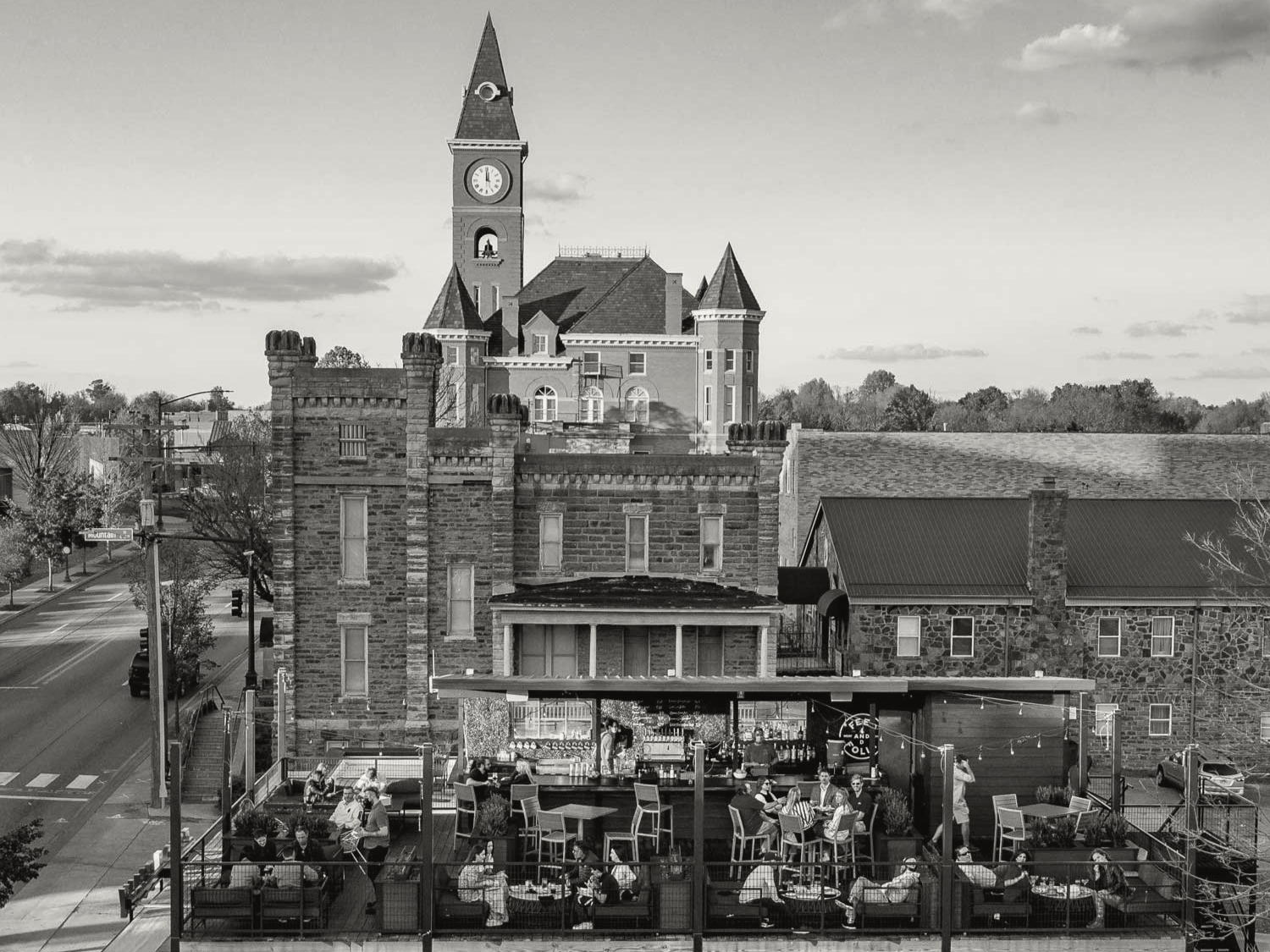
Stroll Fayetteville’s charming Block Avenue and the downtown square, meeting small business owners along the way. Hear firsthand about the joys and challenges of small business ownership in Fayetteville’s walkable market district. Discover how historic preservation and adaptive reuse, evolving public infrastructure and policy, and non-profit programs can support a thriving corridor for business and community.
Co-hosted by Hat Rack Real Estate
This Workshop on small scale real estate development is all about project formation. We take a big picture view of neighborhood-based development to help attendees analyze what makes a good project, how a building makes money, and how small developers interact with the broader ecosystem of professionals in the built environment.
New and aspiring small developers won’t want to miss this monthly meetup with IncDev Faculty Members and local experts to dig into topics that will help you get your project off the ground.
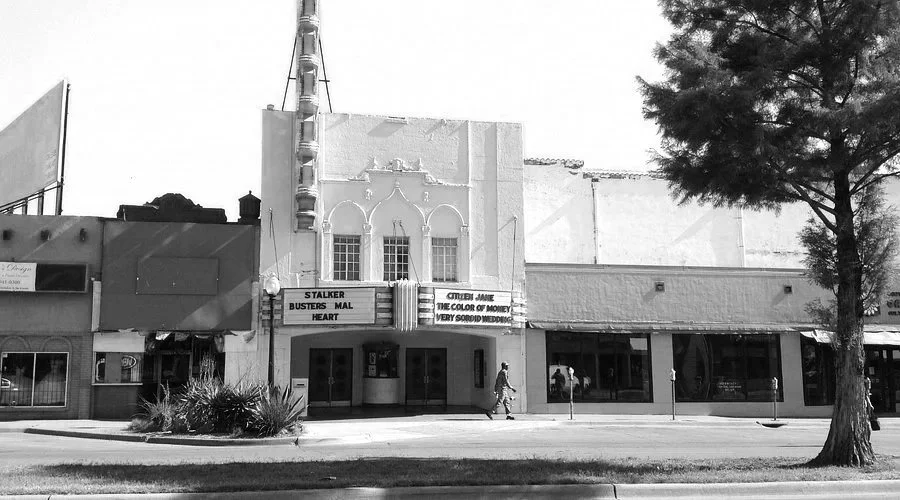
Do you want to learn more about how you can become a small real estate developer for a project in your neighborhood? Are you an advocate or local leader looking to encourage better buildings in your community?
Join us for a lecture, discussion and Q&A by Ryan Terry, Faculty Member at IncDev Alliance and Principal of R+T Studio.
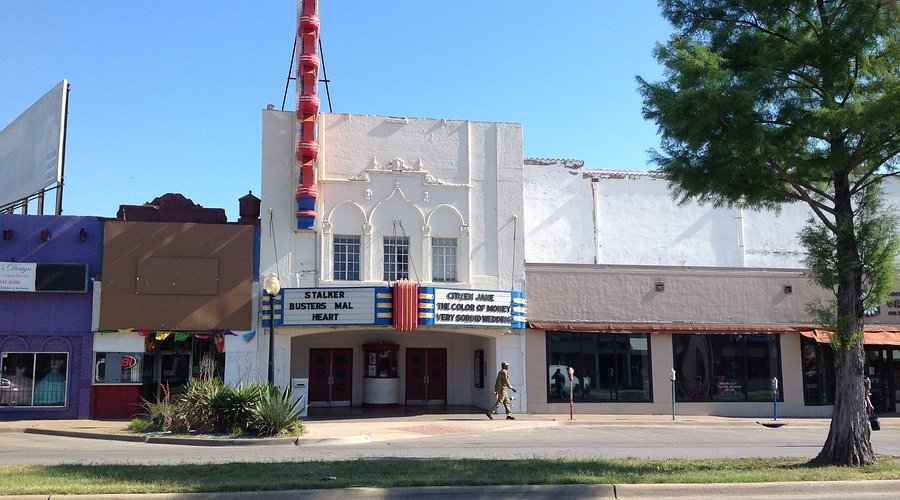
Join Incremental Development Alliance for our Spring 2026 National Field Trip in Dallas/Fort Worth, TX! Associate and Charter Members will have an opportunity to tour local projects, get to know IncDev Faculty, alumni, and supporters of the organization, including time to connect with others within your ecosystem.
The Panama City, FL Small Developer Boot Camp gives participants an opportunity to apply training to their actual development project. Participants will work through exercises like building and refining their pro forma, creating an investor proposal package, and drawing out the zoning parameters for their lot. Participants can also practice pitching their project to the group and instructors in order to get feedback in a supportive environment.
This Workshop on small scale real estate development is all about project formation. We take a big picture view of neighborhood-based development to help attendees analyze what makes a good project, how a building makes money, and how small developers interact with the broader ecosystem of professionals in the built environment.